

Congressional authorization of the SBIR and STTR programs is set to expire on September 30, 2025. Due to the absence of congressional reauthorization of the programs as of September 23,2025, the pre-release period for SBIR BAA 25.4 Release 12 & STTR BAA 25.D Release 12 will be extended and topics will not open on September 24, 2025, as originally scheduled. The Department of War anticipates the 25.4 and 25.D Release 12 topics will open on the first Wednesday following the program reauthorization, with the closing dates extended accordingly to maintain a four-week open period for proposal submissions.
Objective
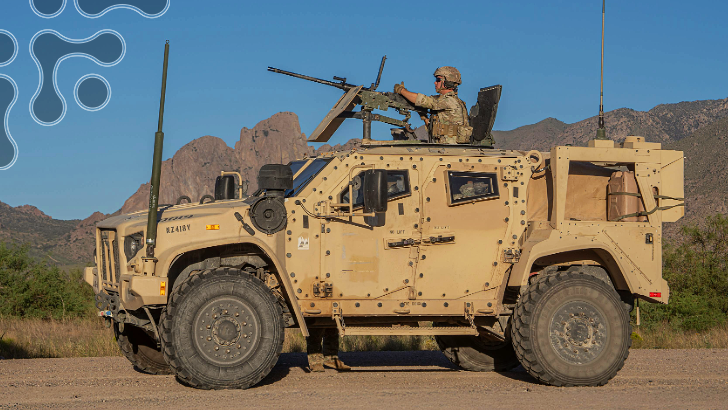
MIL-PRF-32565 Li-ion 6T batteries are a critical enabler to military fuel usage reduction through mild hybridization and silent-watch, while providing reduced weight, increase energy density, and extended cycle life. The purpose of the Li-ion 6T Batteries Focused Open Topic is to bring potentially valuable small business innovations to the Army to address needs related to the Li-ion 6T battery and create an opportunity to expand the relevance of the Army SBIR|STTR Program to firms who do not normally compete for SBIR or STTR awards.
Description
This open topic will only accept Phase I submissions addressing one or more of the following technical challenges:
Phase I
This open topic is for Phase I submission only. The Department of the Army will accept Phase I proposals for the cost of up to $250,000 for a 6-month period of performance. A feasibility study to demonstrate the technical and commercial practicality of the concept to include an assessment of its technical readiness and potential applicability to military and commercial markets.
Phase II
Produce prototype solutions that will be practical and feasible to operate in military environments. Companies will provide a technology transition and commercialization plan for DOD and commercial markets. Companies will test prototype solutions against relevant MIL-PRF-32565 requirements. Companies will also ensure compatibility with and develop non-proprietary interface requirements for use of the technologies with or within Gen 3 Li-ion 6T based batteries.
The Army will evaluate each product in a realistic field environment and provide solutions to stakeholders for further evaluation of the technology against MIL-PRF-32565 requirements. Based on these evaluations, companies will be requested to update the previously delivered prototypes to meet final design configuration.
Phase III
Advanced power beaming or wireless trickle charging devices can be used to support maintenance of commercial Li-ion batteries in aggregated storage
The transportation industry can utilize advanced thermal runaway and fire mitigating technologies inside battery packs within electric vehicles. Batteries leveraging higher energy density cells but with increased safety can enable longer driving ranges with reduced risks of fires in vehicle accidents.
Advanced battery maintenance devices and tools can support the maintenance of commercial-automotive, Class 8 truck, and heavy industrial vehicle batteries
Devices to combine Li-ion batteries of various ages, vendors, and chemistries for use on higher bus voltages can support 48-VDC bus architectures on Class 8 trucks, heavy industrial, and all-terrain vehicles (ATVs).
Battery monitoring systems are essential in electric vehicles to ensure optimal performance, safety, and longevity of the high-capacity battery packs.
Logistics operations, warehouses, and fulfillment centers increasingly rely on wireless charging for forklifts, industrial trucks, and other material handling equipment.
Submission Instructions
Submit full proposals via the DSIP Portal. For assistance, contact the SBIR|STTR Help Desk at usarmy.sbirsttr@army.mil.
References:
Congressional authorization of the SBIR and STTR programs is set to expire on September 30, 2025. Due to the absence of congressional reauthorization of the programs as of September 23,2025, the pre-release period for SBIR BAA 25.4 Release 12 & STTR BAA 25.D Release 12 will be extended and topics will not open on September 24, 2025, as originally scheduled. The Department of War anticipates the 25.4 and 25.D Release 12 topics will open on the first Wednesday following the program reauthorization, with the closing dates extended accordingly to maintain a four-week open period for proposal submissions.
Objective
MIL-PRF-32565 Li-ion 6T batteries are a critical enabler to military fuel usage reduction through mild hybridization and silent-watch, while providing reduced weight, increase energy density, and extended cycle life. The purpose of the Li-ion 6T Batteries Focused Open Topic is to bring potentially valuable small business innovations to the Army to address needs related to the Li-ion 6T battery and create an opportunity to expand the relevance of the Army SBIR|STTR Program to firms who do not normally compete for SBIR or STTR awards.
Description
This open topic will only accept Phase I submissions addressing one or more of the following technical challenges:
Phase I
This open topic is for Phase I submission only. The Department of the Army will accept Phase I proposals for the cost of up to $250,000 for a 6-month period of performance. A feasibility study to demonstrate the technical and commercial practicality of the concept to include an assessment of its technical readiness and potential applicability to military and commercial markets.
Phase II
Produce prototype solutions that will be practical and feasible to operate in military environments. Companies will provide a technology transition and commercialization plan for DOD and commercial markets. Companies will test prototype solutions against relevant MIL-PRF-32565 requirements. Companies will also ensure compatibility with and develop non-proprietary interface requirements for use of the technologies with or within Gen 3 Li-ion 6T based batteries.
The Army will evaluate each product in a realistic field environment and provide solutions to stakeholders for further evaluation of the technology against MIL-PRF-32565 requirements. Based on these evaluations, companies will be requested to update the previously delivered prototypes to meet final design configuration.
Phase III
Advanced power beaming or wireless trickle charging devices can be used to support maintenance of commercial Li-ion batteries in aggregated storage
The transportation industry can utilize advanced thermal runaway and fire mitigating technologies inside battery packs within electric vehicles. Batteries leveraging higher energy density cells but with increased safety can enable longer driving ranges with reduced risks of fires in vehicle accidents.
Advanced battery maintenance devices and tools can support the maintenance of commercial-automotive, Class 8 truck, and heavy industrial vehicle batteries
Devices to combine Li-ion batteries of various ages, vendors, and chemistries for use on higher bus voltages can support 48-VDC bus architectures on Class 8 trucks, heavy industrial, and all-terrain vehicles (ATVs).
Battery monitoring systems are essential in electric vehicles to ensure optimal performance, safety, and longevity of the high-capacity battery packs.
Logistics operations, warehouses, and fulfillment centers increasingly rely on wireless charging for forklifts, industrial trucks, and other material handling equipment.
Submission Instructions
Submit full proposals via the DSIP Portal. For assistance, contact the SBIR|STTR Help Desk at usarmy.sbirsttr@army.mil.
References: